Get Poison Ivy Removal
Local contractors offer Poison Ivy removal services to safely eliminate invasive plants from yards, landscapes, and properties, preventing skin irritation and environmental damage.
If your property is affected by poison ivy, it’s important to address the issue promptly to prevent potential health risks and protect your outdoor space. Property owners in the area often seek professional poison ivy removal services to ensure the job is done safely and effectively, especially in yards, gardens, or around recreational areas. Exploring local contractors can help you compare options and find a solution that fits your specific needs, making it easier to plan your project with confidence.
Finding the right poison ivy removal provider involves considering local service options that understand the unique landscape and conditions of the area. Many property owners turn to experienced local contractors to handle the removal process efficiently while minimizing disruption to their property. Keep reading to learn more about how local professionals can assist with your poison ivy concerns and help you maintain a safe, enjoyable outdoor environment.
- Poison Ivy Removal - when plants pose a skin irritation risk to outdoor visitors or residents.
- Yard Clearing - for those needing to eliminate invasive poison ivy before landscaping or construction.
- Property Maintenance - when overgrown vegetation includes hazardous poison ivy growth.
- Landscape Cleanup - following storm damage or seasonal changes that reveal poison ivy hazards.
- Vegetation Control - to manage and remove poison ivy from difficult or hard-to-reach areas.
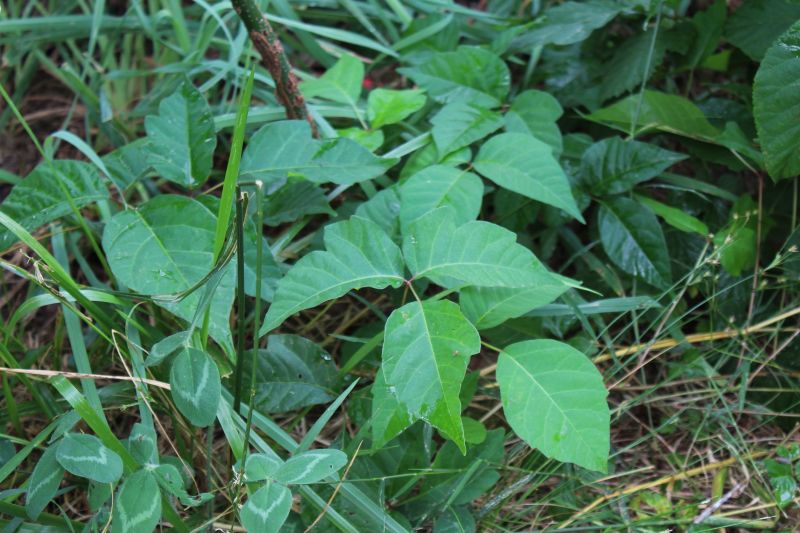
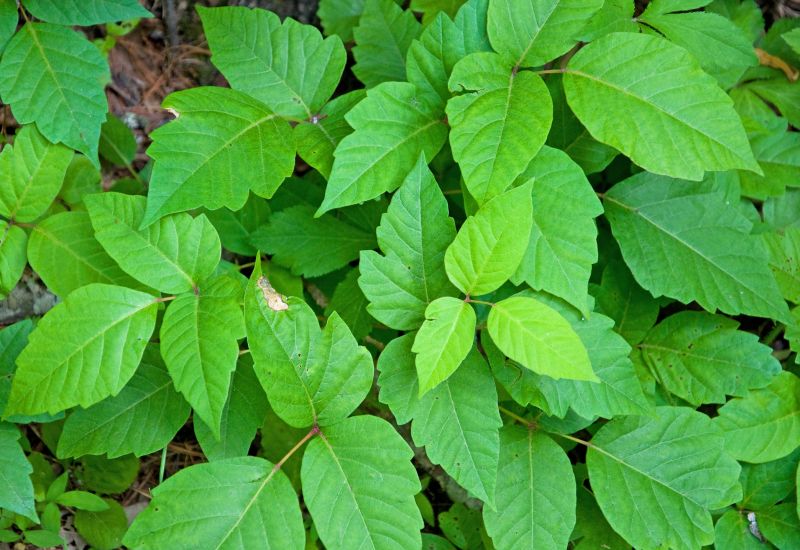
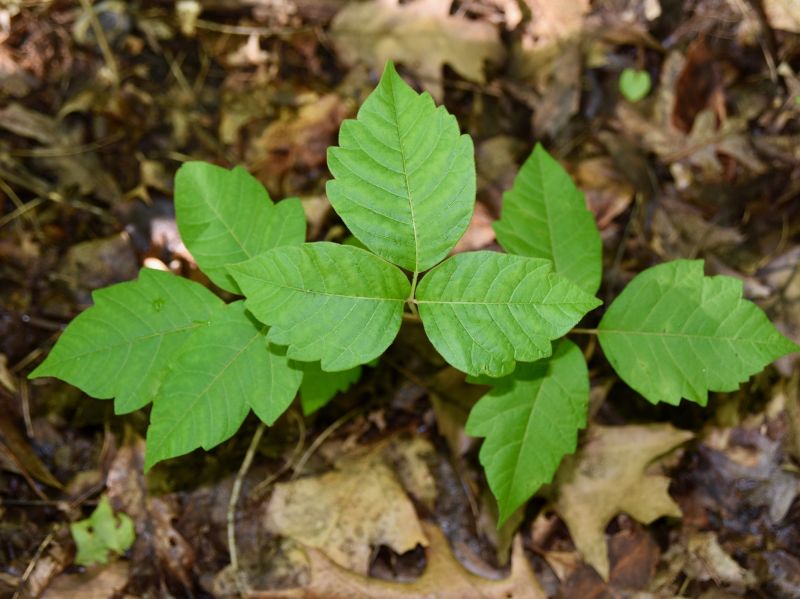
Poison ivy removal services involve the careful identification and eradication of this invasive plant from residential properties. Skilled contractors typically start with an assessment of the affected areas, determining the extent of growth and the safest method for removal. The process may include physically removing the plants, applying targeted herbicides, or a combination of both, to ensure the poison ivy is fully eliminated. Proper removal is essential to prevent the plant from spreading further and to protect property occupants from potential skin irritation or allergic reactions caused by contact with the plant’s urushiol oil.
This service helps solve a variety of problems associated with poison ivy growth. Overgrown patches can pose health risks to residents, especially those who enjoy outdoor activities or have children playing in the yard. Poison ivy can also cause damage to landscaping and trees if left unchecked, as the plant can climb and smother other vegetation. Additionally, the presence of poison ivy can reduce the overall safety and enjoyment of outdoor spaces, making removal a practical solution for homeowners looking to maintain a safe and attractive property.
Many types of properties typically require poison ivy removal services, including single-family homes, multi-family complexes, and rural properties. Residential yards with dense vegetation or overgrown areas are common sites for removal. Properties near wooded areas, fences, or along property lines often see the growth of poison ivy, especially in regions where the plant thrives. Commercial properties, parks, and recreational areas may also need professional removal services to ensure public safety and compliance with local regulations. Service providers can tailor their approach to suit the specific needs of each property, whether it's a small yard or a large outdoor space.
Homeowners should consider poison ivy removal when they notice the plant spreading across their yard or climbing on trees, fences, or structures. Signs of overgrowth, such as dense patches of green leaves with reddish stems, are indicators that professional removal may be necessary. Removing poison ivy promptly helps prevent the plant from spreading further and reduces the risk of accidental contact. Contacting experienced local contractors can ensure the job is done safely and effectively, helping to restore the safety and beauty of outdoor spaces while minimizing health hazards associated with this invasive plant.
The overview below groups typical Poison Ivy Removal projects into broad ranges so you can see how smaller, mid-sized, and larger jobs often compare in your area.
In many markets, a large share of routine jobs stays in the lower and middle ranges, while only a smaller percentage of projects moves into the highest bands when the work is more complex or site conditions are harder than average.
Smaller Jobs - For minor poison ivy removal on small areas or single plants, local contractors typically charge between $250 and $600. Many routine jobs fall within this range, especially when the infestation is limited. Larger or more complex projects may exceed this range.
Medium-Sized Projects - Removing poison ivy from larger sections of yard or multiple plants usually costs between $600 and $1,500. These jobs are common and often involve more extensive clearing or treatment. Some projects can push beyond this if additional landscaping or cleanup is required.
Extensive or Commercial Jobs - Large-scale poison ivy removal on extensive properties or commercial sites can range from $1,500 to $5,000 or more. These projects are less frequent and often involve multiple days of work or specialized equipment. Many projects stay below the highest tier, but larger sites can reach into this range.
Full Property Removal or Land Clearing - Complete removal of poison ivy across entire properties or large land parcels can cost $5,000+ depending on size and complexity. Such projects are less common and typically involve significant labor and planning, with costs varying based on the scope of work needed.
Actual totals will depend on details like access to the work area, the scope of the project, and the materials selected, so use these as general starting points rather than exact figures.
Tree and Shrub Trimming - pruning and removing overgrown branches requires similar skills and tools used in Poison Ivy Removal to ensure safety and plant health.
Landscape Clearing - clearing brush and debris from large areas involves planning and the use of specialized equipment comparable to those used for vine and invasive plant removal.
Stump Removal and Grinding - removing remaining roots after plant removal shares techniques and equipment with removing stubborn Poison Ivy patches.
Fence and Property Line Clearing - clearing vegetation along fences and boundaries involves planning and precise removal methods similar to invasive plant control.
Wildlife Habitat Management - managing overgrown areas for habitat improvement requires vegetation control skills akin to Poison Ivy eradication.
Garden Bed Preparation - clearing weeds and unwanted plants to prepare landscapes involves similar planning and manual or mechanical removal techniques.
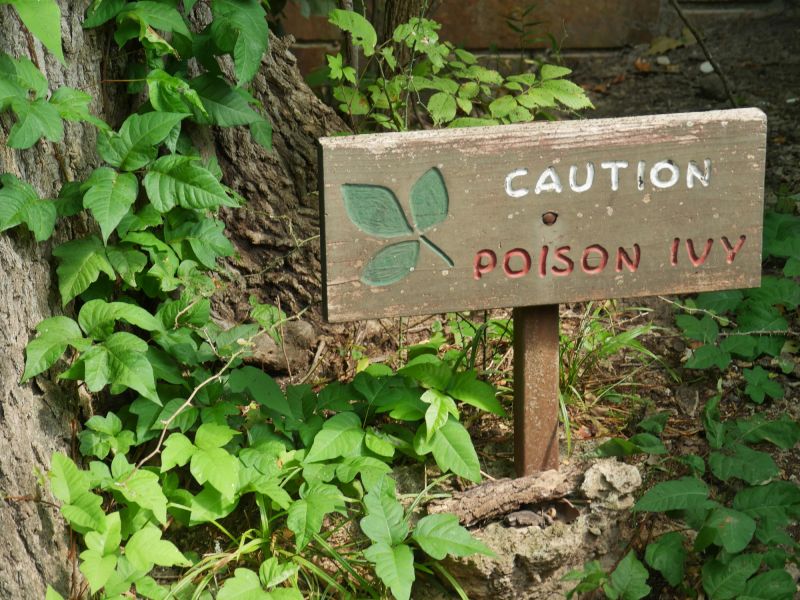
When evaluating potential service providers for poison ivy removal, it’s important to consider their experience with similar projects. Homeowners should inquire about how long a contractor has been working in the field and whether they have handled properties with comparable vegetation or landscape challenges. An experienced local contractor will likely have a better understanding of the specific types of plants and environmental conditions in the area, which can contribute to more effective and thorough removal. Checking for a history of successful projects can help ensure that the chosen service provider has the practical knowledge needed to handle the job properly.
Clear, written expectations are essential when comparing local contractors for poison ivy removal. Homeowners should seek detailed descriptions of the scope of work, including what is included and what is not, as well as any recommended follow-up steps. Having this information in writing helps prevent misunderstandings and provides a reference point for discussions. It also allows homeowners to compare different proposals more objectively, ensuring that each contractor’s approach aligns with their needs and that there are no surprises once work begins.
Reputable references and good communication are key factors to consider during the selection process. Pros who can provide references from previous clients or examples of similar projects demonstrate transparency and confidence in their work. Additionally, effective communication-such as prompt responses to questions and clear explanations of procedures-can make the process smoother and more predictable. While the site introduces homeowners to local options capable of handling poison ivy removal, it’s always advisable to verify a service provider’s reputation and communication style directly, to help ensure a positive experience with the chosen contractor.
Property owners use Poison Ivy Removal services for practical projects around their homes and businesses. This guide focuses on everyday jobs and straightforward project options.
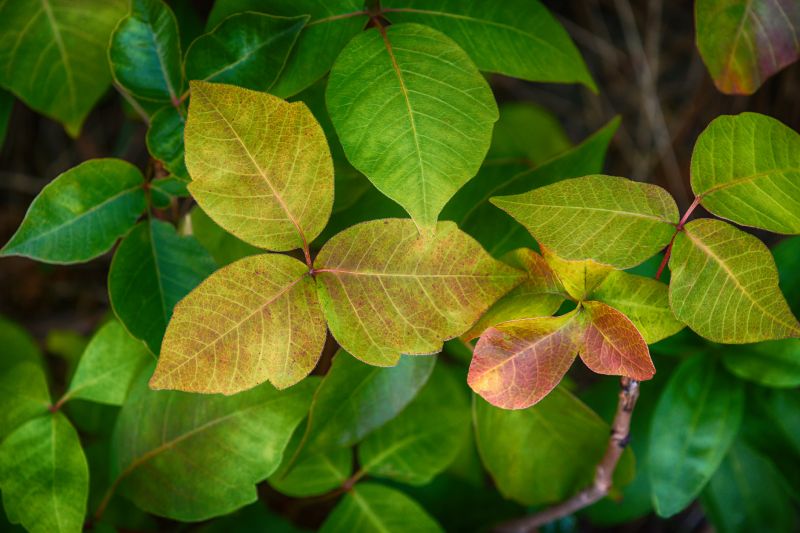
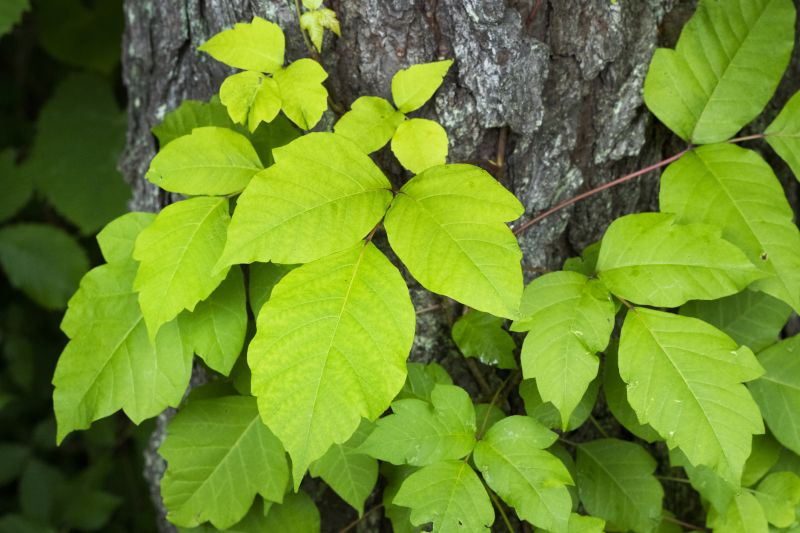
Poison ivy can quickly become a concern for property owners dealing with overgrown yards, wooded areas, or landscaping projects. It often appears in places where people spend time outdoors, such as gardens, fences, or around patios, creating discomfort or potential health risks. Local contractors who specialize in plant removal can help clear these hazardous plants safely and efficiently, making outdoor spaces safer and more enjoyable.
Homeowners and property managers might seek poison ivy removal services when preparing for outdoor events, renovating landscapes, or simply maintaining a tidy yard. Overgrown patches can also interfere with lawn care or pose risks to children and pets. Service providers in the area are equipped to handle these jobs, providing professional removal that helps keep properties safe and well-maintained.
What is poison ivy removal? Poison ivy removal involves the process of safely eliminating poison ivy plants from residential or commercial properties to prevent skin irritation and environmental spread.
How do local contractors remove poison ivy? Local contractors typically use manual removal, herbicides, or a combination of methods to effectively eliminate poison ivy and prevent regrowth.
Are there environmentally friendly options for poison ivy removal? Yes, some service providers offer eco-friendly removal techniques that minimize environmental impact while effectively controlling poison ivy.
What should I do before poison ivy removal services start? It is recommended to clear the area of personal belongings and inform the service provider of any sensitive plants nearby to ensure safe and effective removal.
How can I identify poison ivy on my property? Poison ivy usually features clusters of three leaflets with a shiny or dull surface; consulting with local pros can help confirm its presence safely.
Poison Ivy Removal for Garden Safety - Removing poison ivy helps create a safer outdoor space for family activities and gardening projects.
Yard Clearing and Landscaping Prep - Clearing poison ivy allows for easier lawn maintenance and prepares the yard for new landscaping or planting.
Property Maintenance and Aesthetics - Eliminating poison ivy enhances curb appeal and keeps outdoor areas looking clean and well-kept.
Preventing Future Growth - Professional removal services can help control and prevent the regrowth of poison ivy in landscaped areas.
If you are thinking about Poison Ivy Removal for a property, this guide is meant to help you understand the work, the typical project types, and how different options might fit your plans.
When you are ready, you can use the quote form on this page to share a few details about your project. From there, local pros can review the basics and respond with options that match what you have in mind.